Agricultural cooperatives have become Africa’s primary institutional channels through which government development budgets and international donor financing flow to smallholder farmers, representing a fundamental shift …

Anuncios de empleo
Agricultural cooperatives have become Africa’s primary institutional channels through which government development budgets and international donor financing flow to smallholder farmers, representing a fundamental shift …
Agricultural cooperatives have become Africa’s primary institutional channels through which government development budgets and international donor financing flow to smallholder farmers, representing a fundamental shift …

The question of whether microfinance institutions (MFIs) or cooperatives better serve small farmers yields a nuanced answer: neither model is universally superior; rather, comparative advantage …
The question of whether microfinance institutions (MFIs) or cooperatives better serve small farmers yields a nuanced answer: neither model is universally superior; rather, comparative advantage …

Uganda’s agricultural sector—comprising 40% of national GDP and employing 70% of the population—faces a critical financing gap where only 11% of farmers access formal credit …

Savings and Credit Cooperatives (SACCOs) have emerged as Africa’s most powerful institutional mechanism for extending financial services to the continent’s massive unbanked and underbanked populations. …
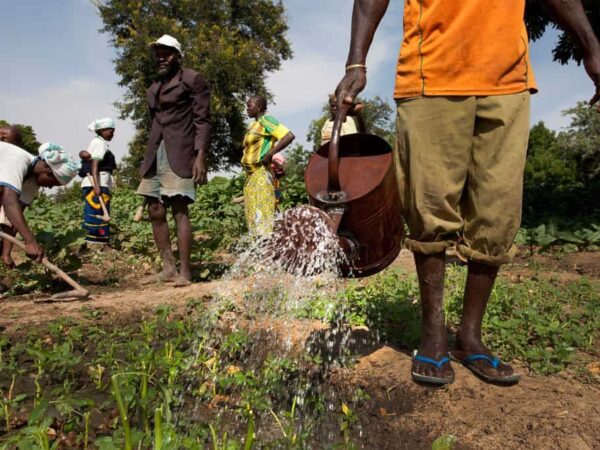
Uganda’s cooperative sector has emerged as a transformative engine of rural economic development, lifting millions from poverty through structured collective action. The sector comprises approximately …